Shredder vs Granulator: Understanding the Difference
If you are setting up or upgrading a plastic recycling line, one of the most common questions is: should I use a shredder or a granulator? While both machines reduce the size of plastic waste, they serve different purposes and produce different outputs. Choosing the wrong machine can lead to inefficiency, higher costs, and poor-quality recycled material.
In this guide, we break down the differences so you can make an informed decision for your business.
What is a Plastic Shredder?
A shredder is a heavy-duty machine designed to break down large, bulky plastic items into smaller, irregular pieces. Shredders use slow-speed, high-torque cutting mechanisms with thick, durable blades to tear through tough materials.
Best suited for:
- Large, bulky items like drums, pallets, automotive parts, and furniture.
- Thick-walled rigid plastics that are too large to feed directly into a granulator.
- Mixed waste streams containing different plastic types.
- Pre-processing material before further size reduction in a granulator.
Output: Coarse, irregular pieces (typically 20–80 mm) that often require further processing.
What is a Plastic Granulator?
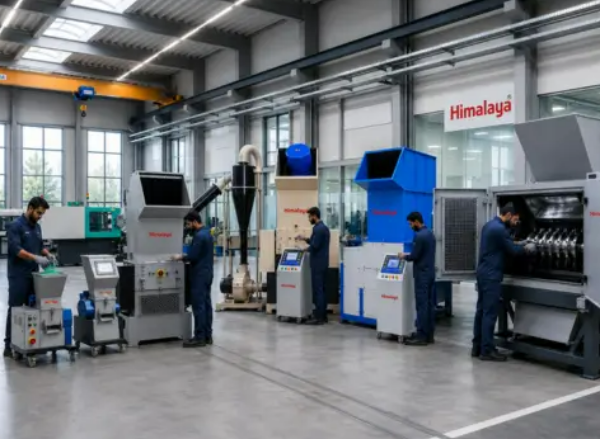
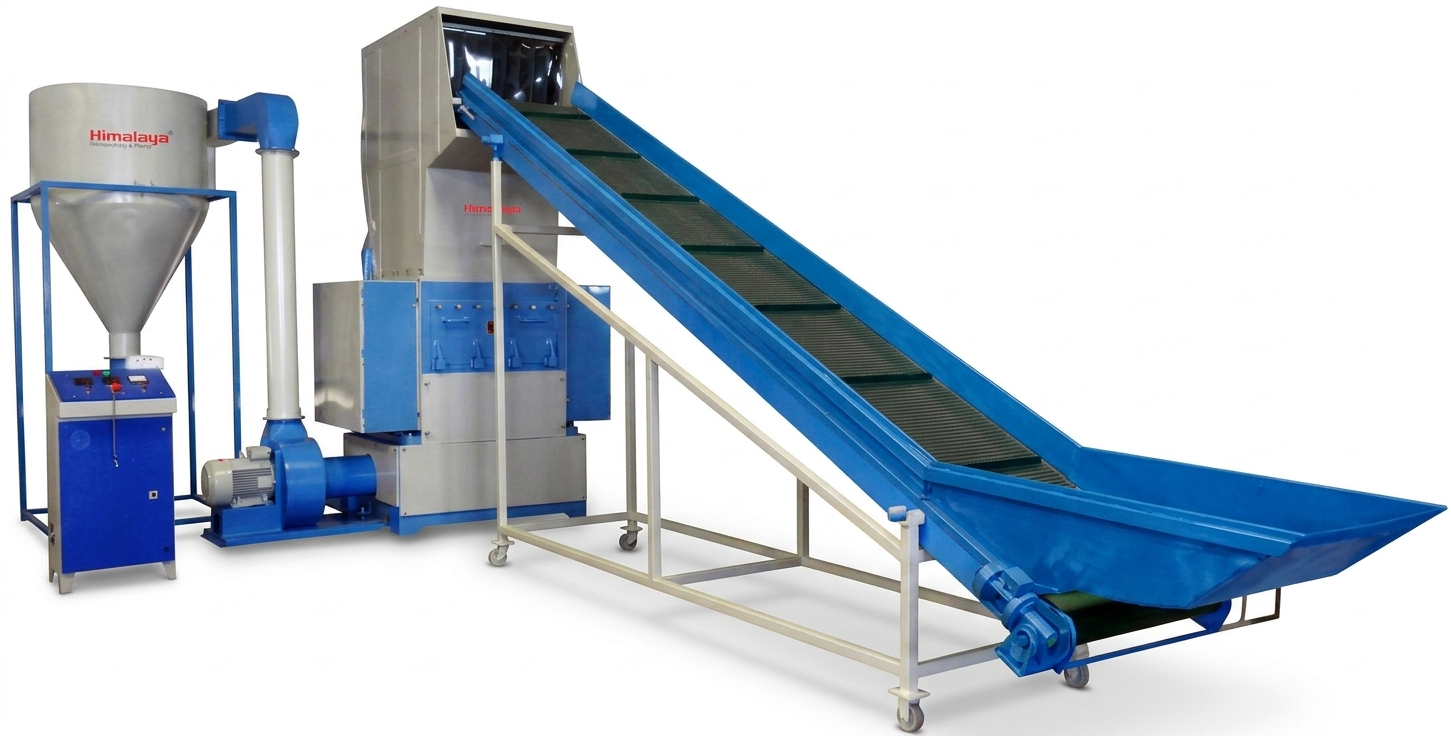
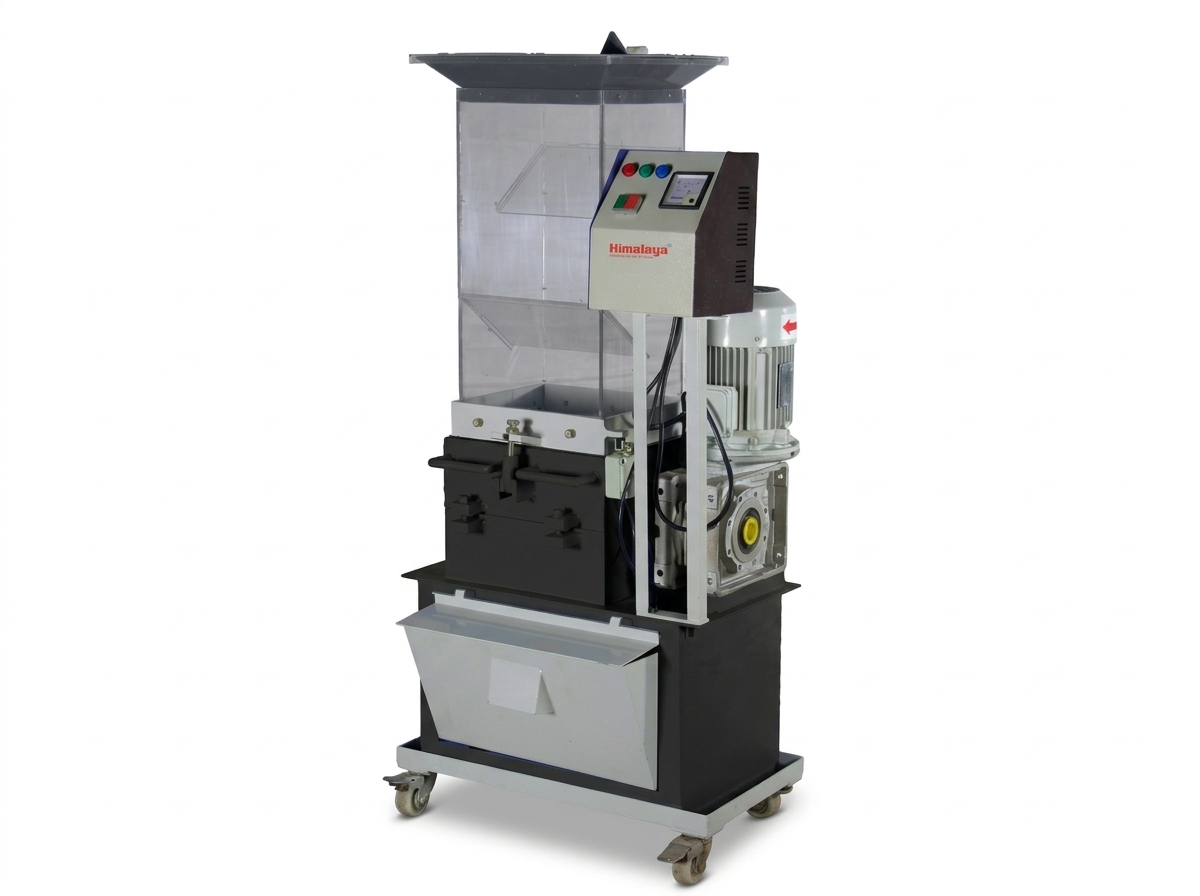
A granulator is a precision machine that cuts plastic into small, uniform granules or regrind. Granulators operate at higher speeds with precisely ground blades and a perforated screen that controls the final particle size.
Best suited for:
- Production scrap like sprues, runners, and rejected parts from injection moulding.
- Bottles, containers, and smaller rigid items.
- Film, sheets, and flexible plastics (with specialised rotor designs).
- Creating uniform regrind that can be directly reprocessed or blended with virgin material.
Output: Uniform granules (typically 3–12 mm) ready for reprocessing.
Key Differences at a Glance
| Feature | Shredder | Granulator |
|---|---|---|
| Speed | Low speed, high torque | High speed, precision cutting |
| Output size | 20–80 mm (coarse) | 3–12 mm (uniform) |
| Input material | Large, bulky, heavy items | Smaller parts, scrap, film |
| Output quality | Irregular pieces | Uniform, screen-controlled granules |
| Noise level | Lower | Higher |
| Energy use | Higher per kg (heavy-duty) | Lower per kg (efficient cutting) |
| Primary use | Pre-processing / volume reduction | Final size reduction / regrind |
When to Use Both Together
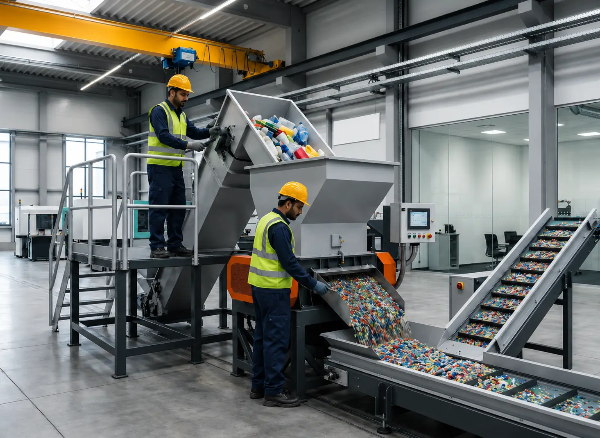
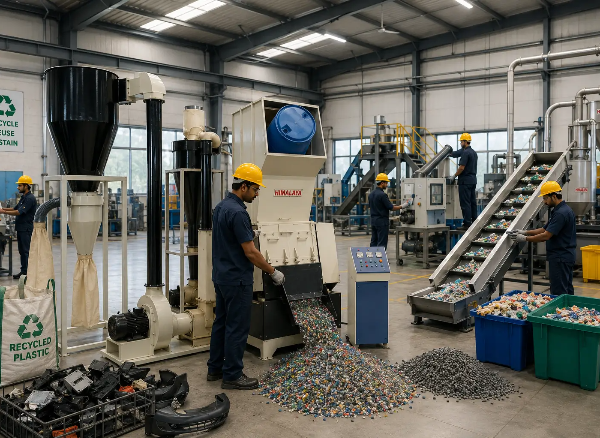
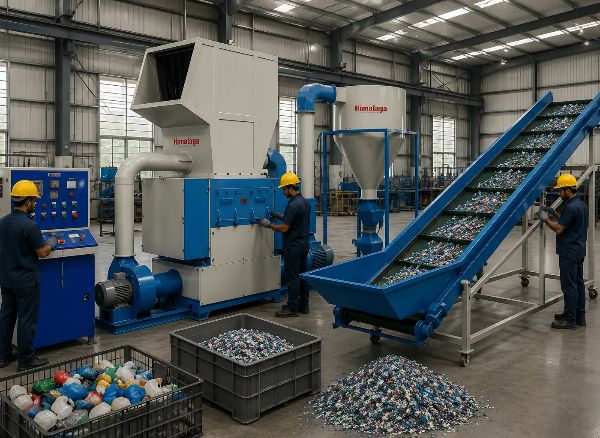
Many recycling operations use a shredder + granulator combination for maximum efficiency. The shredder handles the initial volume reduction of large items, and the granulator produces the final uniform output. This two-stage approach:
- Protects granulator blades from damage caused by oversized or heavy parts.
- Increases overall throughput of the recycling line.
- Produces higher-quality, more consistent granules.
- Reduces wear and maintenance costs on both machines.
Which One Should You Choose?
The right choice depends on your specific operation:
- Choose a shredder if you primarily handle large, bulky waste and need volume reduction.
- Choose a granulator if you need uniform regrind from production scrap or smaller items.
- Choose both if you run a full recycling line processing diverse waste streams.
Conclusion
Understanding the difference between shredders and granulators is essential for building an efficient recycling operation. The right equipment saves energy, reduces maintenance costs, and produces better-quality recycled output.
Not sure which setup is right for you? Contact the Himalaya Granulator team for expert advice tailored to your specific requirements.