Plastic Recycling is Evolving Rapidly
The global plastic recycling industry is undergoing a significant transformation. Driven by tightening environmental regulations, growing consumer demand for sustainable products, and advances in technology, the way we recycle plastic is changing faster than ever before. Granulation technology, the backbone of mechanical recycling, is at the forefront of this evolution.
1. Smart Granulators with IoT and Automation
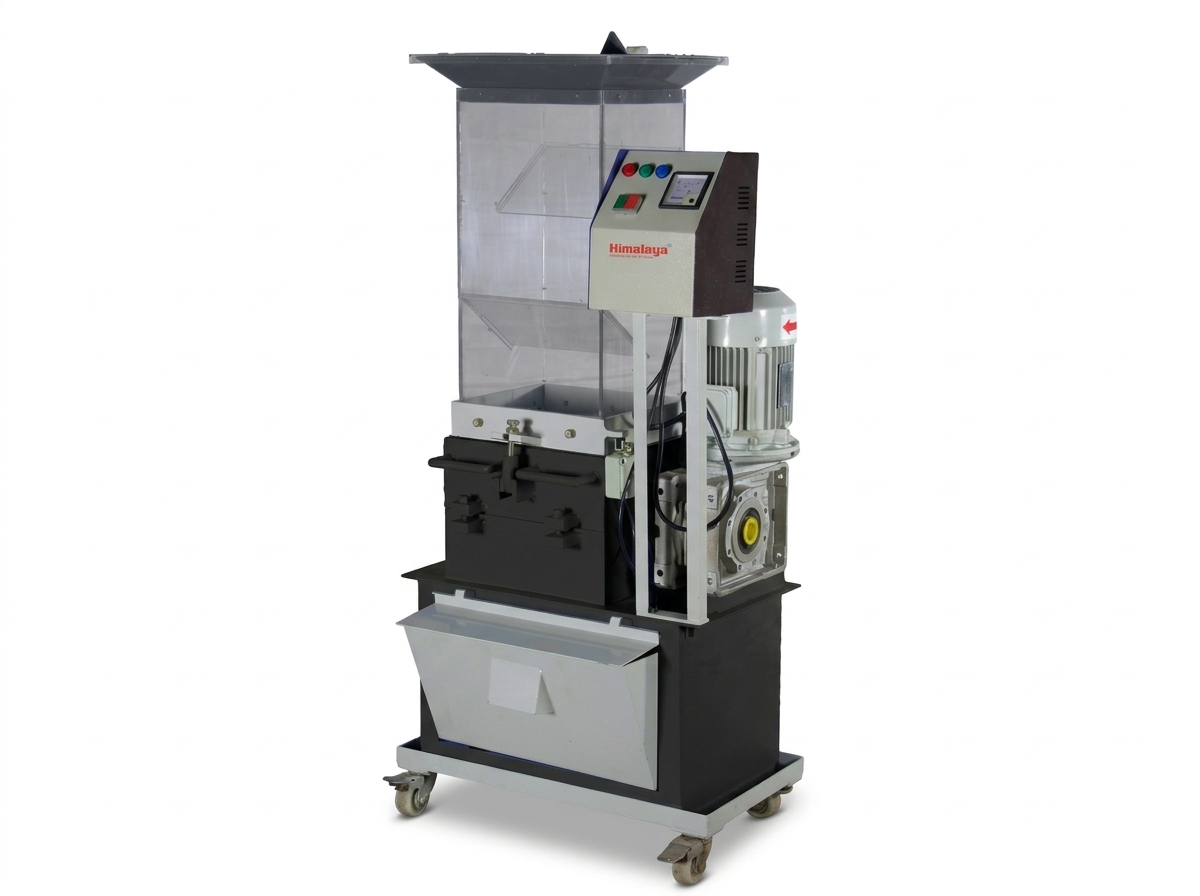
Modern granulators are becoming "smart machines" equipped with sensors and IoT (Internet of Things) connectivity. These intelligent systems can:
- Monitor blade wear and predict maintenance needs before breakdowns occur.
- Automatically adjust rotor speed and feed rate based on material type and load.
- Send real-time performance data to a central dashboard for remote monitoring.
- Track energy consumption and output quality metrics for optimisation.
This shift toward predictive maintenance and automated operation significantly reduces downtime and labour costs while improving output consistency.
2. Energy-Efficient Designs
With energy costs rising globally, granulator manufacturers are focusing heavily on energy efficiency. Key innovations include:
- Variable Frequency Drives (VFDs) that match motor speed to actual load requirements, reducing energy waste during lighter operations.
- Optimised cutting geometries that require less force per cut, lowering overall power consumption.
- IE4 and IE5 class motors that deliver the same performance with 15–20% less energy.
3. Advanced Material Separation and Sorting
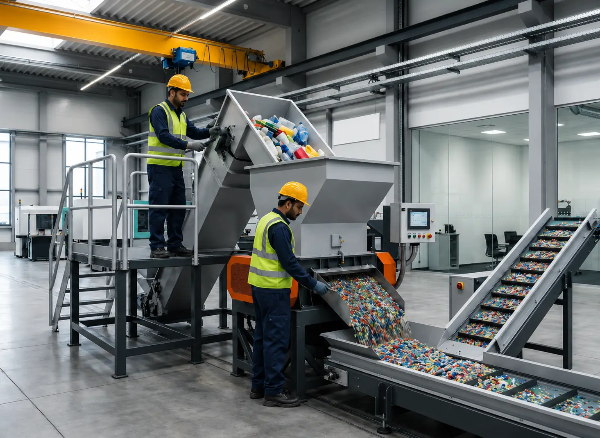
The quality of recycled granules depends heavily on material purity. New technologies are being integrated into the recycling line before and after granulation:
- Near-infrared (NIR) sorting to separate different polymer types automatically.
- AI-powered visual inspection to detect and reject contaminated or non-recyclable materials.
- Electrostatic separators to remove fine contaminants from granulated output.
4. Chemical Recycling Complements Mechanical Granulation
While mechanical recycling (granulation) remains the most cost-effective method, chemical recycling is gaining traction for handling mixed and contaminated plastics that are difficult to recycle mechanically. The future likely involves hybrid facilities that use granulation for clean, sorted streams and chemical processes for complex waste.
5. Circular Economy and Extended Producer Responsibility (EPR)
Governments worldwide are implementing EPR regulations that hold manufacturers responsible for the end-of-life disposal of their products. This is creating massive demand for high-quality recycled granules that can be used as virgin-equivalent raw material in manufacturing.
For recyclers, this means investing in better granulation equipment that can produce consistent, high-purity output is no longer optional—it is essential for staying competitive.
6. Sustainability Certifications and Traceability
Brands are increasingly demanding certified recycled content in their products. Technologies like blockchain-based traceability systems are being used to track recycled material from collection through granulation to final product manufacturing, ensuring full chain-of-custody documentation.
Conclusion
The future of plastic recycling is bright and technology-driven. Granulation remains the cornerstone of mechanical recycling, and innovations in automation, energy efficiency, and material purity are making it more effective and profitable than ever.
At Himalaya Granulator, we are committed to staying at the forefront of these advances. Contact us to learn how our latest machines can future-proof your recycling operation.